The Real Cost of Eating Out vs. a Meal Subscription (UK, 2026)
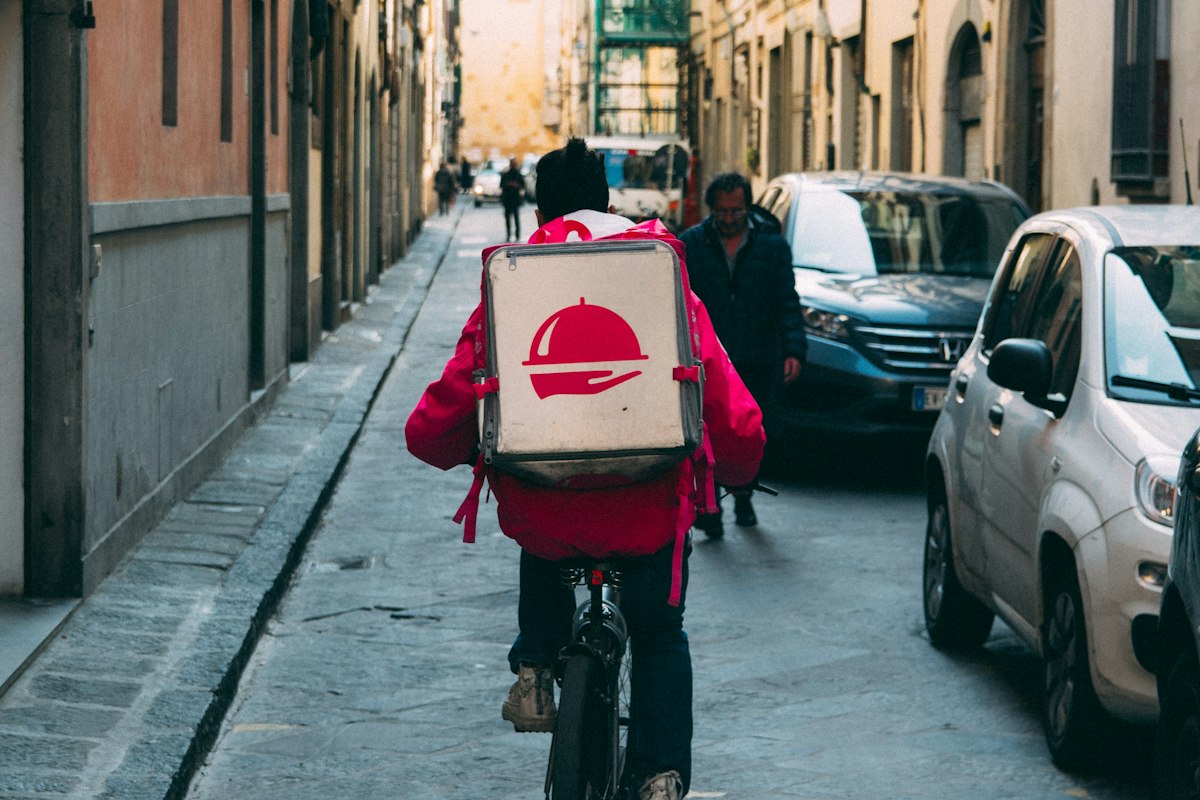
The individual orders never feel expensive. The monthly total tells a different story.
Nobody sits down and decides to spend £300 a month on food delivery. It happens five pounds at a time — a coffee here, a lunchtime meal deal there, a Friday night takeaway that felt earned after a long week. Individually, none of it registers as a "big" purchase. Added up over a month, it's often one of the largest line items in a person's budget, right alongside rent.
We ran the actual numbers to see how regular takeaway and delivery spending stacks up against a structured meal subscription — and the gap surprised even us.
What "Just Ordering In" Actually Costs
A single mid-range takeaway meal in the UK — through a delivery app, including service and delivery fees — typically lands between £12 and £18 once you account for the markup apps add on top of restaurant menu prices (often 15–30% higher than eating in). Do that for dinner just three times a week, and you're already at £150–£220 a month — before lunches, coffees, or weekend treats are counted at all.
| Habit | Typical monthly cost |
|---|---|
| Takeaway dinner, 3× a week | £150 – £220 |
| Meal-deal lunches, 5× a week | £70 – £100 |
| Coffee shop drinks, daily | £60 – £90 |
| Rough monthly total | £280 – £410 |
"Delivery apps aren't expensive because any single order is — they're expensive because the small convenience fee is invisible until you add it up thirty times a month."
Why Grocery Shopping "Should" Be Cheaper — But Often Isn't
On paper, cooking from scratch is the cheapest option. In practice, it comes with hidden costs that rarely make it into the comparison:
- Food waste. Studies on UK household food waste consistently show a large share of purchased groceries — often estimated around a fifth — goes unused, spoiled, or thrown out.
- Impulse extras. A "quick grocery run" for one ingredient rarely stays a quick grocery run.
- Time as a cost. Shopping, chopping, cooking, and cleaning for a single meal easily takes an hour — time that has a real value, even if it doesn't show up on a receipt.
- The backup takeaway. When cooking feels like too much after a long day, the groceries sit unused and a takeaway gets ordered anyway — meaning you pay for both.
Where a Meal Subscription Actually Lands
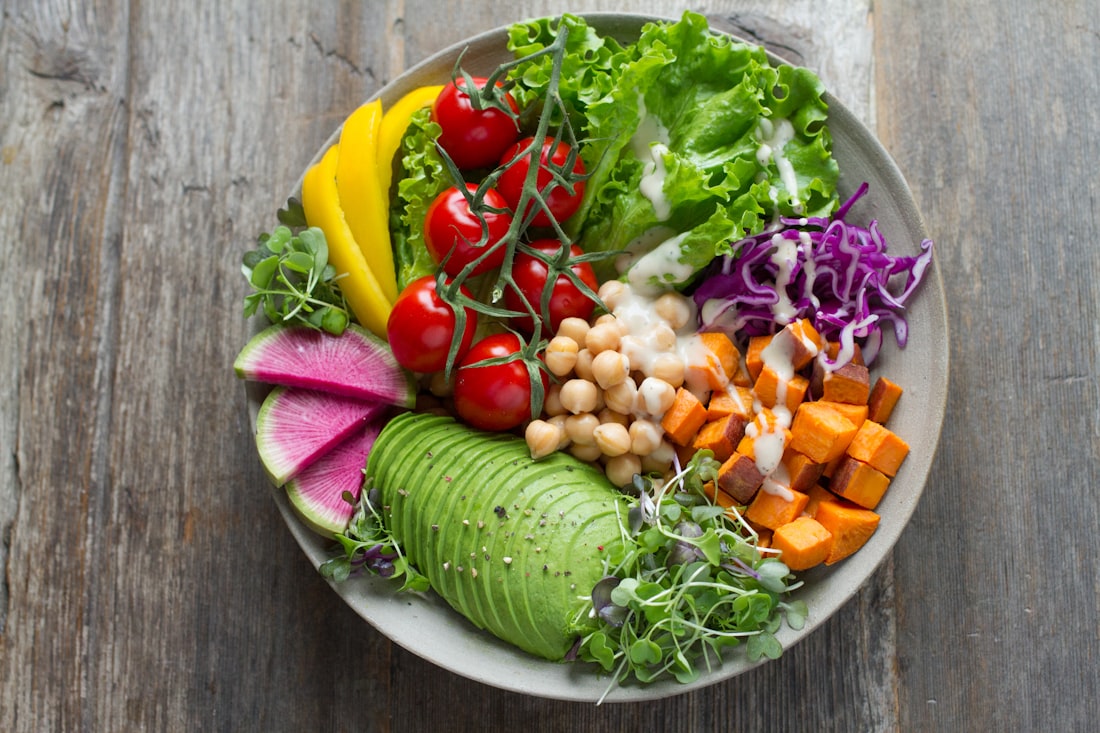
A chef-prepared meal subscription sits in the middle — and often below both takeaway and the true, all-in cost of cooking from scratch. A typical plan of 20–28 meals a month, delivered fresh weekly, works out to roughly £7–£8 per meal including delivery — with zero food waste, zero grocery runs, and zero time spent cooking or cleaning up.
*Estimated based on typical shopping, prep, and cleanup time for home-cooked meals.
The comparison that actually matters
Compared to £150–£220 a month on takeaway dinners alone, a full subscription plan at 20–28 meals often costs less overall — while also removing the two hidden taxes neither option accounts for: wasted groceries, and the mental energy spent deciding what to eat, every single day.
Do the maths on your own month
See exactly what a full month of chef-prepared, macro-labelled meals costs — delivered fresh every 7 days, no shopping required.
Get StartedFrequently Asked Questions
Is a meal subscription really cheaper than cooking at home?
It depends what you count. Raw ingredient cost alone is usually cheaper to cook from scratch — but once you factor in food waste, extra grocery trips, and the time spent shopping and cooking, a subscription often comes out roughly comparable or better, especially for single- or two-person households.
How much does the average person spend on takeaway per month in the UK?
Estimates vary by lifestyle and city, but regular delivery-app users commonly spend well over £150–£250 a month once dinners, lunches, and incidental orders are combined — often without realising the running total.
Are meal subscriptions worth it for one person?
Often more so than for larger households — cooking a "proper" meal for one person tends to waste the most ingredients proportionally, since recipes and grocery pack sizes are rarely designed for single servings.