Why Meal Prep Fails By Sunday Night — And the Weekly System That Actually Sticks
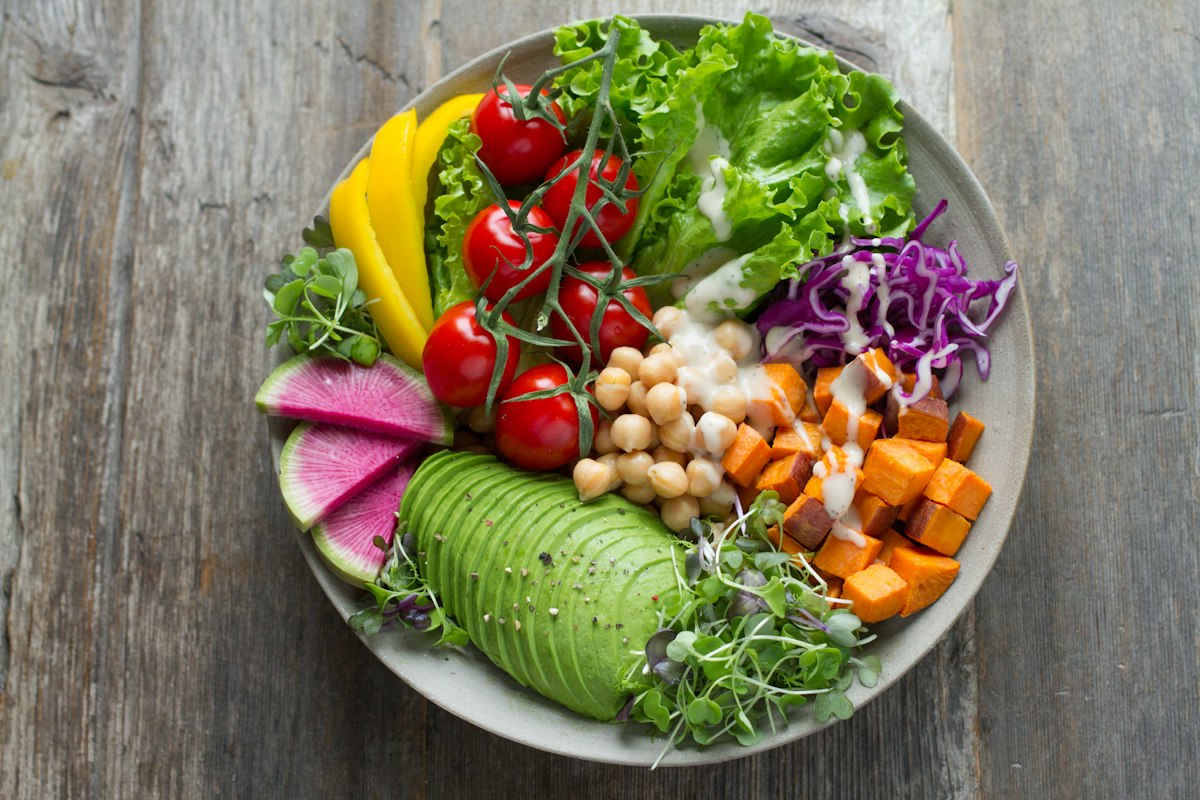
A properly portioned bowl isn't complicated — it's just planned before Monday arrives.
Almost everyone who tries meal prepping quits by the second week — not because the food is bad, but because the system around it collapses. The containers stack up unwashed. Sunday's four-hour cooking marathon becomes a once-a-month event. And by Wednesday, you're back to ordering takeaway and telling yourself you'll "start again Monday."
The good news: meal prep failure has a predictable shape, which means it has a predictable fix. Below is exactly why the usual approach breaks down, and the weekly rhythm we've seen actually hold up — the same rhythm behind how The Meals structures every subscription box.
"The people who stick with healthy eating aren't the ones with the most willpower. They're the ones with the least amount of decisions left to make on a Tuesday night."
The Real Reason Meal Prep Falls Apart
Most meal prep advice focuses on recipes. That's the wrong layer of the problem. The actual failure points are almost always logistical:
- The Sunday cliff. One giant cooking session is fragile — miss it once (a busy weekend, a sick day) and the whole week has no backup plan.
- Decision fatigue. Deciding what to eat, buy, and cook is a small tax paid dozens of times a week. It adds up faster than the cooking itself.
- Macro guesswork. Eyeballing portions feels fine until the scale — or your energy levels — tell a different story two weeks later.
- Boring repetition. Batch-cooking the same three meals is efficient and also the fastest route to giving up out of sheer boredom.
What a Meal Plan That Actually Lasts Looks Like
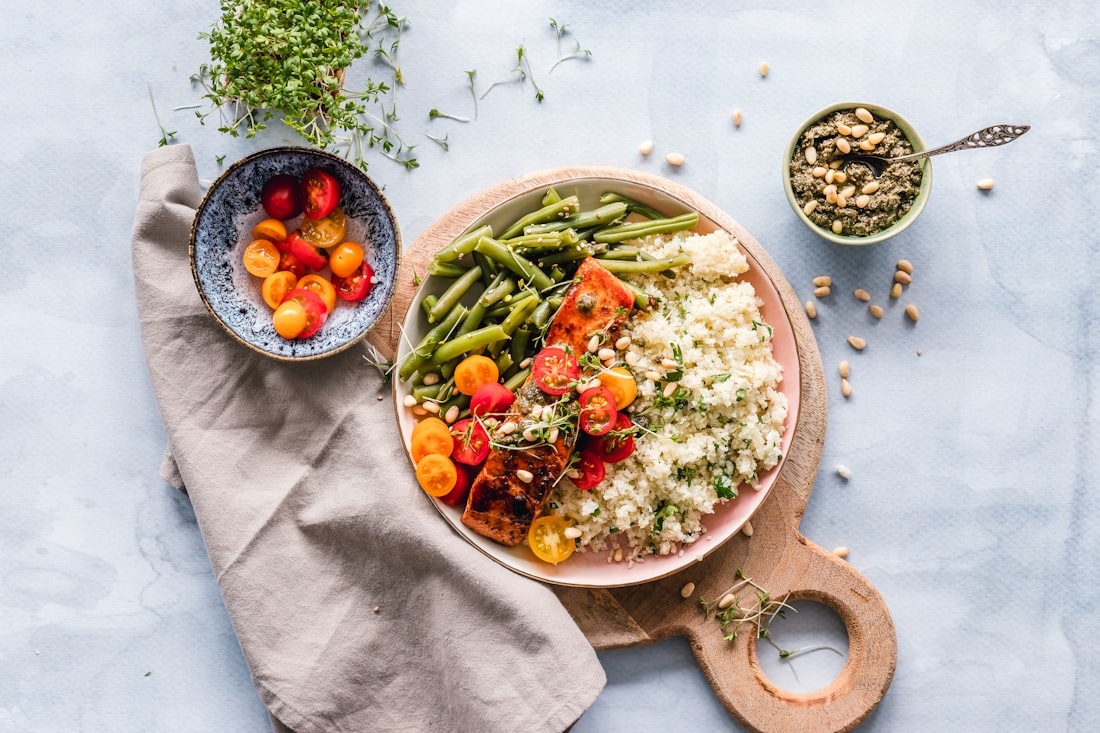
Instead of one long Sunday session, the sustainable version spreads decision-making across the month, then removes the cooking entirely. Four weekly deliveries. Chef-portioned, macro-labelled meals. Nothing to chop, weigh, or plan beyond choosing what sounds good.
1. Plan the month, not the day
Build all four weeks at once, in one sitting, while you're motivated — not four separate times when you're tired and hungry. Repeat a favourite week with one tap if you don't feel like deciding again.
2. Let the label do the counting
Every box should tell you kcal and protein at a glance. If you have to guess, you'll eventually stop checking — and guessing is where most plans quietly drift off track.
3. Build in variety on purpose
Rotating global flavours — a chicken karahi one night, a lentil daal the next — keeps a high-protein, portion-controlled diet from feeling like a punishment. Boredom is a bigger threat to consistency than any single "bad" meal.
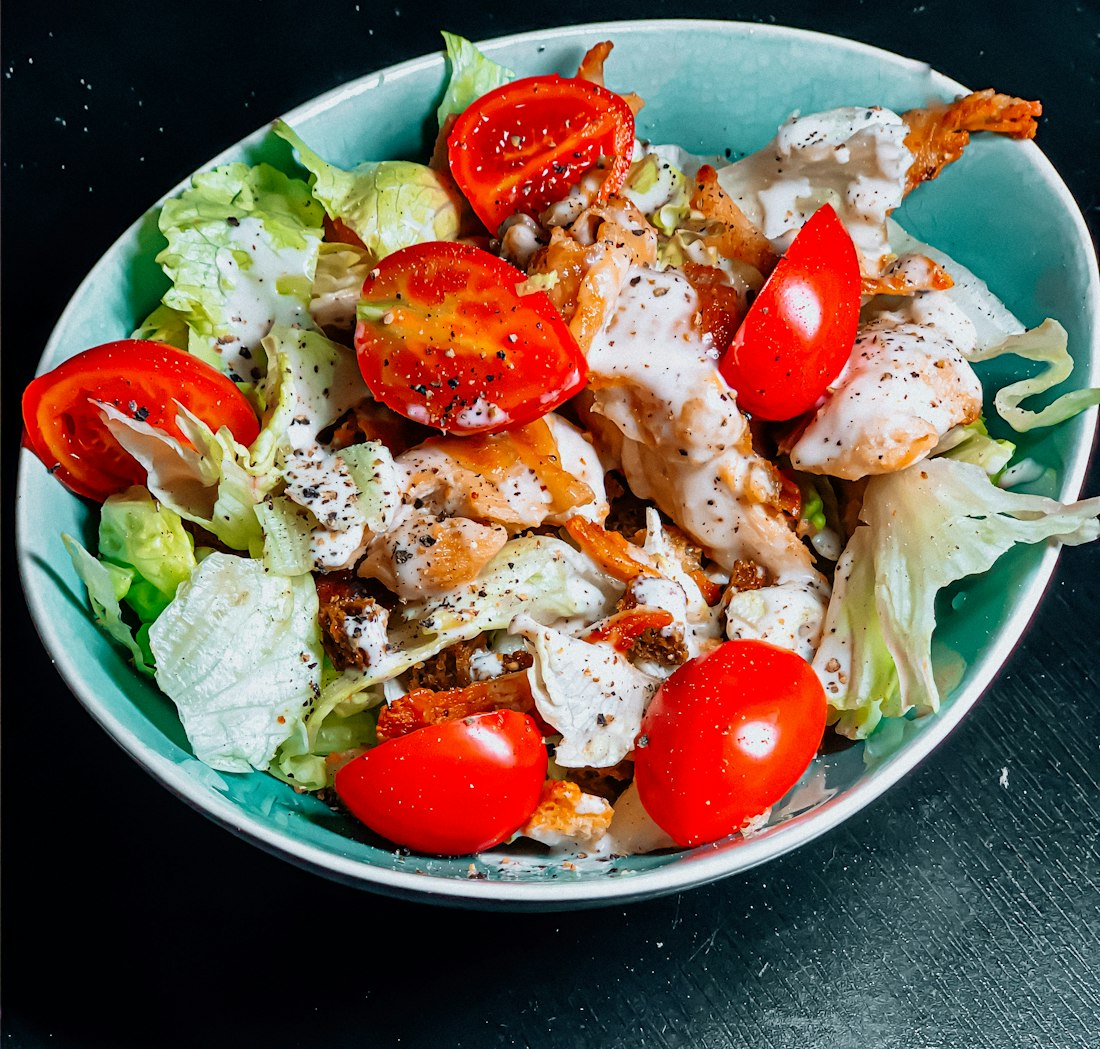
*Based on common self-reported adherence patterns for solo home meal-prep routines.
The Weekly Rhythm That Replaces Willpower
A subscription box removes the two hardest parts of meal prep — the shopping and the cooking — while keeping the part you actually want control over: what you eat. That's the whole idea behind The Meals: pick your boxes for all four weeks in one sitting, and a fresh delivery lands at your door every seven days. No batch cooking. No wasted produce. No Sunday cliff to fall off.
Skip the Sunday scramble
Build your month once — pick every box across four weeks — and get chef-prepped, macro-labelled meals delivered fresh every 7 days.
Build Your BoxFrequently Asked Questions
How much protein should a meal-prepped lunch actually have?
Most active adults do well aiming for 30–45g of protein per meal, spread across 3–4 meals a day. The exact number depends on your bodyweight and goals, but consistency matters more than precision — a labelled 35g box you'll actually eat beats a "perfect" 42g meal you skip.
Is it better to meal prep once a week or spread it out?
Spreading decisions across the month while batching the delivery is the sweet spot: you make all your food choices in one relaxed sitting, but the food itself still arrives fresh in weekly batches instead of sitting in the fridge for seven days.
Does meal prep have to be boring to be healthy?
No — variety is what keeps a plan sustainable long-term. Rotating globally-inspired recipes with consistent macros is far easier to stick to than five containers of the same chicken and broccoli.